
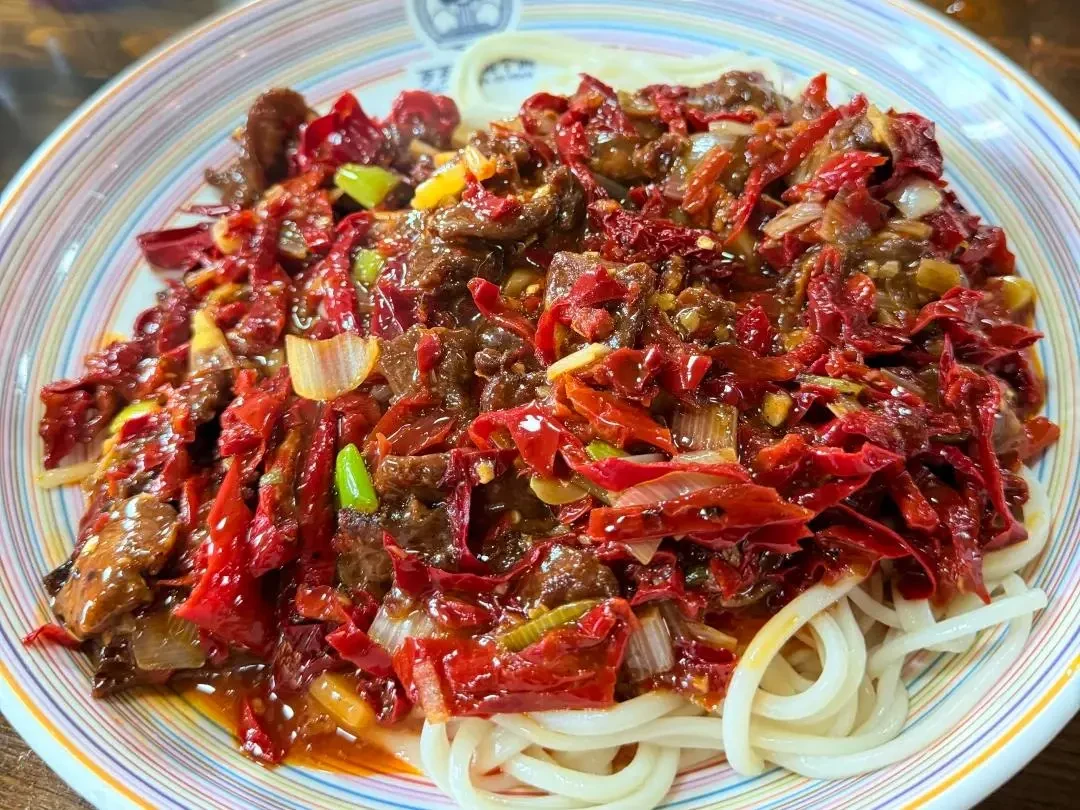
The Northern Xinjiang Loop typically starts in Urumqi, heads west via Changji and Shihezi into the Ili River Valley, then turns north to Altay and Kanas. The most common itinerary lasts 7 to 10 days. This route crosses basins, grasslands, and mountains, with elevation rising from around 500 meters to over 2000 meters. As a result, local cuisine shifts: the southern section features wheat-based dishes and mutton, while the northern part favors dairy products and cold-water fish. Planning ahead for staple food and fruit purchases makes the journey much smoother. Pure-play small groups of 2 to 6 people often follow this approach when arranging meals on the road.
1. The Culinary Foundation of the Northern Xinjiang Loop
Daily meals in Northern Xinjiang revolve around noodles, mutton, and dairy products. Noodles, naan bread, and pilaf are staples you'll find everywhere, with individual servings typically ranging from 20 to 40 RMB (subject to confirmed rates). Meat is often sold by the kilogram; a portion of grilled meat at a restaurant usually costs between 20 and 60 RMB. Portions are generous, so for a group of 2, ordering 1 main dishes and 1 vegetable sides is recommended. On long drives, warm soups and rice help settle your stomach. Due to long summer days in Northern Xinjiang, dinner often starts after 19. If you eat too much at lunch, you may lose your appetite by dinner time, so consider having a lighter lunch.
Dining hours vary widely across towns along the route. Small counties often close around 21. If you arrive late, consider eating at a service area or check your hotel's meal times in advance. For tight schedules, enjoy one full meal at a single location rather than rushing through quick bites at every stop—it's less stressful.
2. Urumqi and Changji: Pilaf, Banmian, and Naan
Urumqi, as a major hub, offers diverse dining options. Noodles with meat are widely available at small eateries in the city center, typically costing between 25 and 45 yuan per serving. Pilaf is often served with lamb and carrots; it's rich and oily, making it a hearty choice for an afternoon meal. Naan bread stays fresh well and makes a convenient snack for travel. Avoid overeating when first arriving at high altitude—let your palate adjust gradually.
- Lamian (hand-pulled noodles): 25–45 per serving; refills available. Ideal as a first meal.
- Pilaf: Widely available at lunch; served with lamb and carrots. High oil content.
- Naan: typically priced between 3 and 8 per piece; shelf-stable and ideal for in-car snacks.
To examine these items in more detail, start by checking the site's resources.PlovandMixed noodlesDescription.
3. Altay and Kanas: Coldwater Fish and Milk Curd
Once you arrive in Altay, cold-water fish from the Irtysh River area become increasingly common. They are served grilled or stewed plain, priced per fish, typically ranging from 60 to 150 yuan during peak season. The night market in Burqin comes alive in the evenings during peak season, with most stalls operating between 20 and 23.草原奶疙瘩 (grassland dried yogurt curd) and sour yogurt curds can be quite tart and firm; first-timers should try small portions, pairing them with milk tea for a smoother experience.

4. Ili River Valley: Dairy Products and Seasonal Fruits
Yili offers a wide variety of yogurt, mare's milk, and ice cream. A cup of yogurt from roadside stalls typically costs between 8 and 15 yuan. From 7 to 9, melons and grapes are in season; you can buy sweet melons, grapes, and watermelons at markets and roadside stands, often sold by the kilogram. In Yining,Six Star StreetDining and snacks are concentrated in the area and can be explored on foot. The altitude rises to over 2000 meters along the Guozigou and Sayram Lake route, with temperatures 5 to 8 degrees lower than in the city center. We recommend having a warm drink before exploring by the lake.
Ice cream and homemade yogurt are a classic pairing in Ili; expect to pay between 10 and 20 yuan for a serving in the afternoon. When buying melons, ask vendors to cut off a sample piece so you can taste it first. Only purchase the whole fruit or by weight once you're satisfied with the sweetness, avoiding waste from spoilage during your journey.
5. Ordering and Spending Guide
How to pair items best when ordering
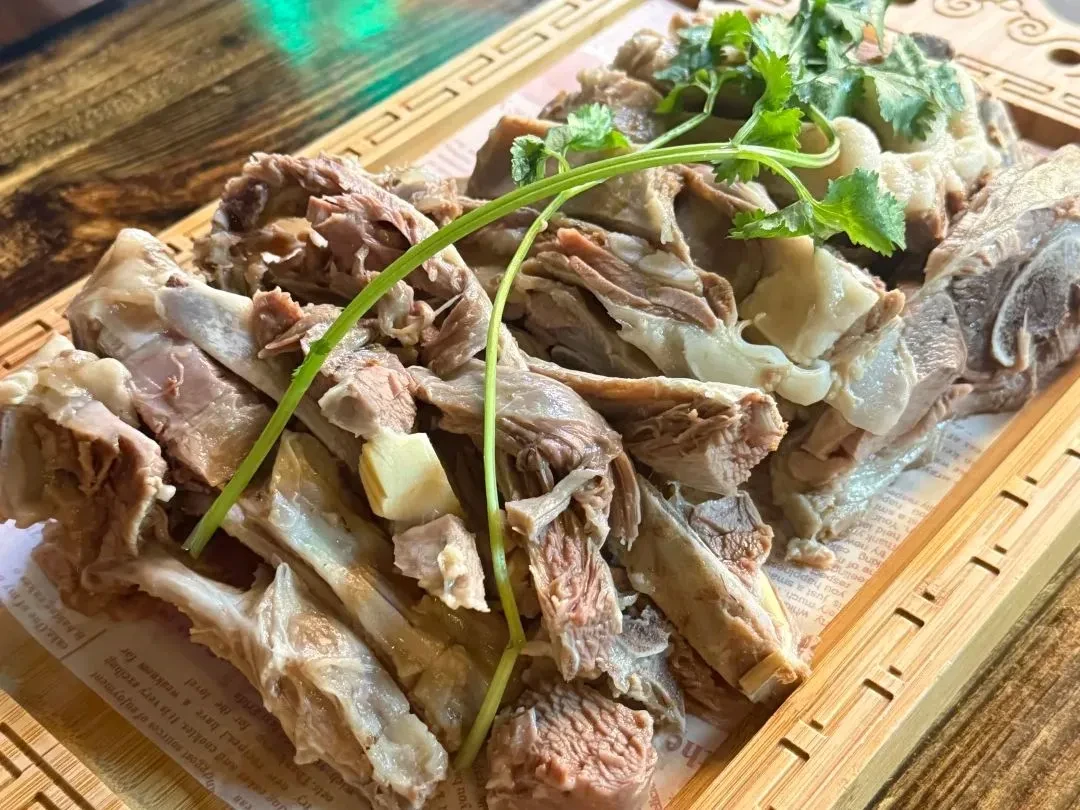
Northern Xinjiang portions are generous; 2 to 3 people sharing meals helps control costs and lets you try more dishes. Breakfast: one milk tea plus 1 naan breads, typically costing 10 to 20 yuan per person. For main meals, expect around 40 to 80 yuan per person for a relaxed dining experience. Prices near crowded tourist attractions tend to be slightly higher; we recommend eating in the county town or nearby towns instead.
- Start with 1 main dishes, then add 2 vegetable or noodle dish to avoid waste.
- Dairy and sweets are best enjoyed in the morning or afternoon; try small amounts on an empty stomach.
- Buy fruit based on its ripeness on the day of purchase, as it's prone to bruising during transit. Purchasing in small quantities multiple times is recommended.
Overall Recommendations
Dining costs on the Northern Xinjiang loop vary widely, averaging 80 to 150 CNY per person per day. Prices differ between peak and off-peak seasons; refer to your confirmed quote for final rates. If you have a sensitive stomach, pack common medications, try foods one at a time, and avoid consuming barbecue, dairy, and cold drinks all in one day. To align dining stops with your itinerary, filter by date in the Northern Xinjiang tour section or contact Xinjiang International Travel Service customer service at 18999127242.
- Food Channel: View instructions for common dishes like pilaf and roasted meat.
- Northern Xinjiang RouteChoose a loop route based on the number of days and nodes.
- Kanas Scenic AreaLearn about lake district attractions and dining locations.

