

Guide
Differences in cuisine between northern and southern Xinjiang stem primarily from local produce. This guide outlines regional preparations for pilaf, samsa, northern dairy products, and cold-water fish, along with ordering procedures and price ranges.
Approx.1446Character·7section·Estimated4Read in minutes
Table of Contents7Section)
Xinjiang cuisine is often lumped together, but there are significant differences between southern and northern regions. Southern oasis areas rely on wheat and melons/fruits, with pilaf, baked buns (samsa), and hand-pulled noodles forming the daily staple diet. In contrast, northern grasslands and river valleys feature more dairy products, cold-water fish, and grilled meats. By tailoring meals to region and season, you can ensure every dining experience hits the mark—small-group tours for 2 to 6 travelers are frequently designed around this culinary roadmap.
1. Where do the dietary differences between northern and southern Xinjiang originate?#
Differences stem from local produce and lifestyles. Southern Xinjiang's fertile oases support abundant wheat, rice, and fruits, offering a wide variety of staple foods. Northern Xinjiang features more pastures and river valleys, making beef, mutton, dairy products, and cold-water fish more common. Combined with the dry, cold climate, both regions favor hearty flavors, though they emphasize different spices and oils. Southern Xinjiang's rich harvests provide greater staple diversity, while Northern Xinjiang's pastoral and riverine environment increases the share of meat, dairy, and fish in diets, often including milk tea at breakfast.
II. Southern Xinjiang: Everyday Life with Pilaf and Samsa#
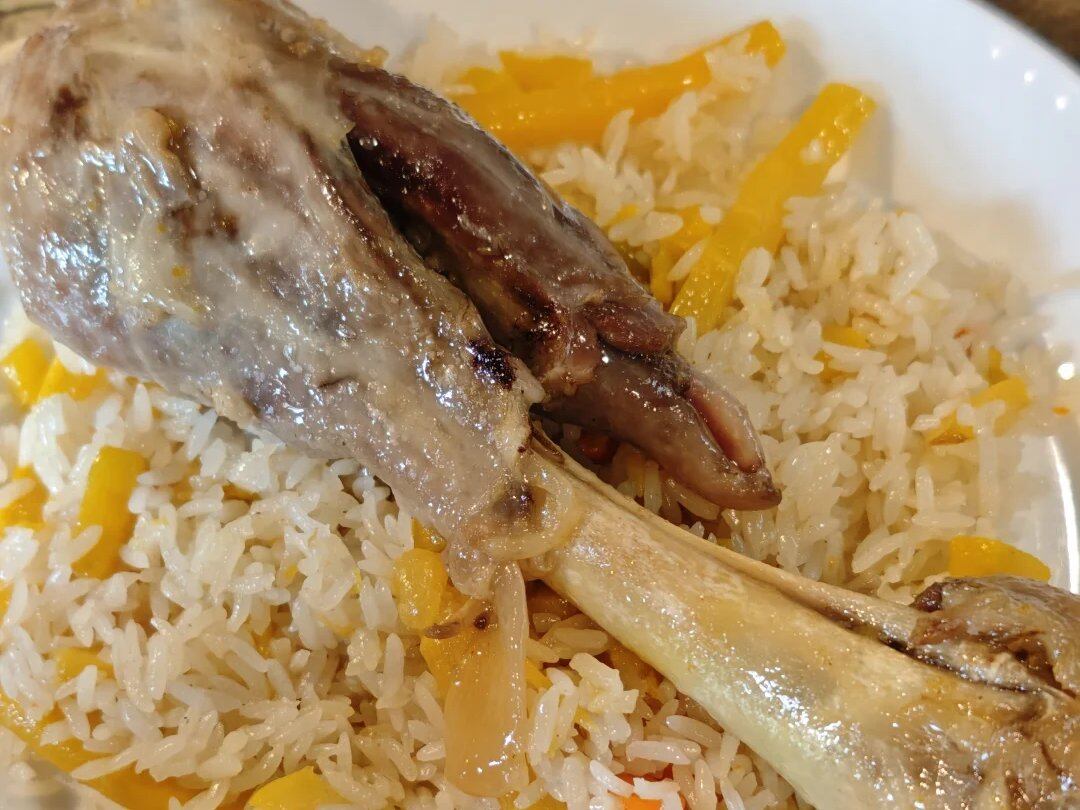
In southern Xinjiang, pilaf and samsa are staple foods you can find anytime. Pilaf is made by simmering rice with lamb and carrots, typically costing between 20 and 40 yuan per serving. Samsa has a thin crust baked in a tandoor oven; it tastes best when eaten hot. Noodles with sauce and soup rice are also common, with toppings available to suit your taste.
- Pilaf: Available at lunch, served with lamb and carrots. Price per serving ranges from 20 to 40.
- Samsa: Thin crust, generous filling. Best enjoyed hot. Typically costs 3 to 8 yuan per piece.
- Hand-pulled noodles: freshly made and cooked, $0.00–$1.00 per serving; refills available.
III. Northern Frontier: Dairy Products, Cold-Water Fish, and Grassland Barbecue#
In Northern Xinjiang, yogurt, milk tea, and dried curd are common breakfast and snack options. A cup of yogurt typically costs between 8 and 15 yuan. Cold-water fish from the Irtysh River area are priced per piece, often ranging from 60 to 150 yuan during peak season. Lamb skewers for grassland-style barbecue usually cost between 3 and 8 yuan each. Dairy products are frequently featured in breakfasts in Northern Xinjiang; a cup of yogurt or a pot of milk tea paired with naan can make a satisfying meal. Cold-water fish is best enjoyed for dinner in Burqin and Altay areas.
Yogurt balls can be tangy and hard; try a small portion first. Milk tea comes in salty or sweet varieties with generous servings; 2 people can share 1 pot(s) to avoid waste.
4. Order by course: from mains to desserts#
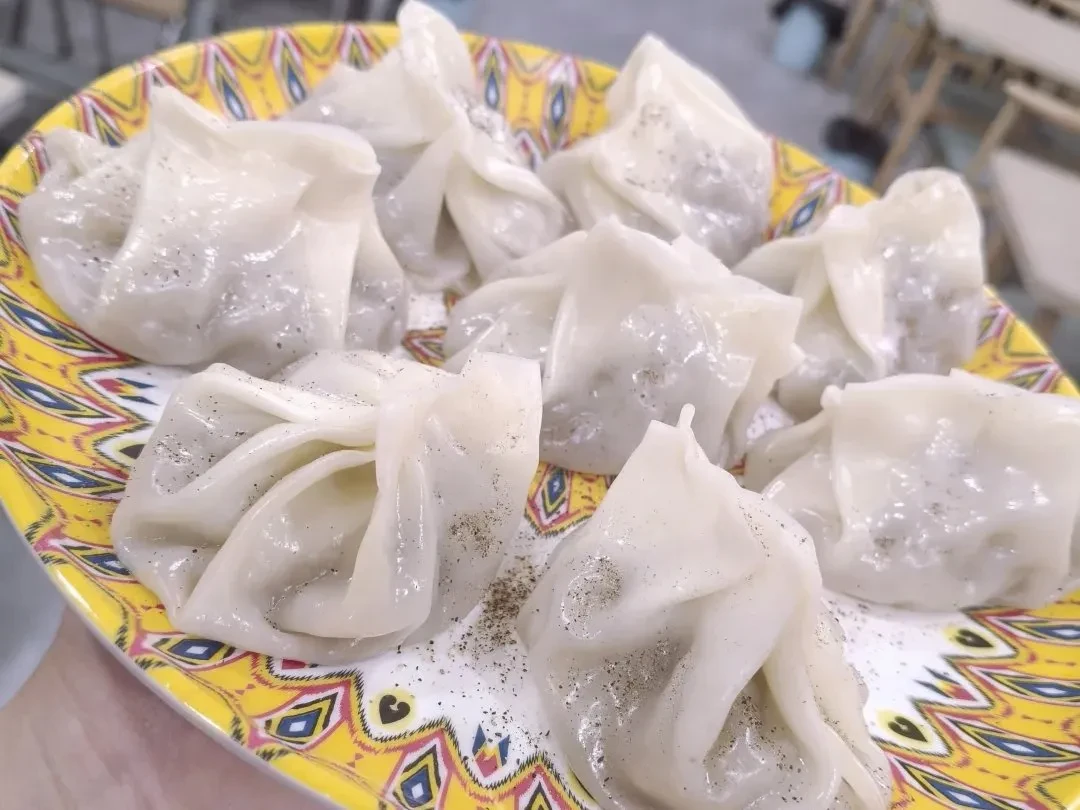
If you're new to the menu, try this simple ordering pattern: start with 1 main dish(es), add 1 meat-based side dishes, and finish with dairy or fruit. This helps control portions while letting you sample signature dishes from both northern and southern Xinjiang.
- Step 1: Choose your staple—pilaf, tossed noodles, or baked buns. Minimum order: 1 servings for 1 person(s).
- Step 2: Pair with meat dishes like grilled lamb or big-plate chicken. Order 1 portions for 2 to 3 people.
- Step 3: Finish with yogurt, milk tea, or seasonal fruit to balance the flavor.
V. Season and Region Selection#
From 7 to 9, melons and fruits are in peak season. Enjoy grapes and sweet melons from Southern Xinjiang, and watermelons from Northern Xinjiang, priced by the kilogram at approximately 3 to 12 yuan per kg. From 9 to 10, focus shifts to pomegranates, apples, and late-season melons. For a trip centered on seasonal produce, plan your visit around 8. Between 9 and 10, fruit availability declines, but lamb is at its best with more options for stews and kebabs—both regions are ideal during this period. If visiting only one area, choose Southern Xinjiang for fruits and markets, or Northern Xinjiang for dairy products and cold-water fish, each offering distinct highlights.
The pace of markets differs between Southern and Northern Xinjiang. Souq bazaars in the south are livelier during the day, while night markets in the north typically open after dusk. Check closing times before you go to avoid arriving too late.
6. Costs and Precautions#
Average daily food costs for regular visitors range from 80 to 180 CNY, varying by season. Final pricing is subject to the confirmed quote at booking. Prices near scenic spots are slightly higher, while those in county towns and smaller towns are more stable. Local cuisine features heavy use of beef, lamb, and dairy products; travelers with sensitive stomachs should sample items gradually. Budget estimates can be based on the midpoint.
How should vegetarians plan their meals?
You can choose from noodles, rice soup, pilaf (meat-free), and various vegetable snacks. Please inform us of any dietary restrictions before ordering. Note that some restaurants in Southern Xinjiang serve food with a saltier and spicier flavor; you may request less spice upon ordering.
- Pack hot water and dry food to reduce stops for meals during long drives.
- Buy enough fruit for 1 to 2 days. Excessive handling during transit may cause bruising.
- Check if service charges apply before ordering to avoid billing confusion and help keep your daily budget on track.
Final thoughts#
The dietary differences between northern and southern Xinjiang ultimately stem from variations in local produce. Ordering by region and buying fruits by season will almost always be correct. To align dining stops with itinerary nodes, you canNorth and South Xinjiang Route SectionFilter by days, or contact Xinjiang International Travel 18999127242.
- Food ChannelCommon preparation methods for pilaf, kebabs, and dairy products.
- Lamb chopsLearn common ways to enjoy local barbecue.
- Kashgar Old CitySouthern Xinjiang Cuisine and Market Distribution Reference.

Read next
Mobile Phone Wide-Angle and Telephoto: How to Choose the Right Lens for Landscapes
The 0.5x, 1x, and 3x lenses on your phone each have a specific role. Use wide-angle to capture the environment, telephoto for details. Select the right lens based on your scene and lighting, then adjust a few settings. Your landscape photos will be more stable and easier to review without regret.

