
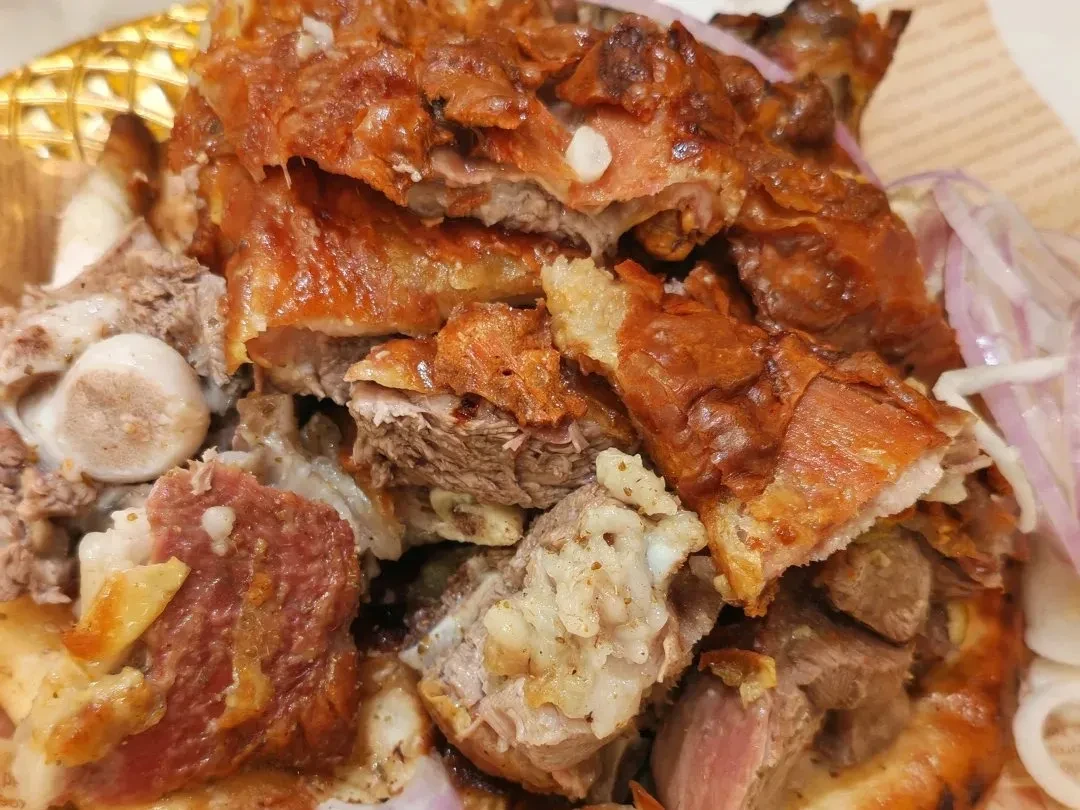
Xinjiang cuisine can be broadly divided into southern and northern regions. Southern Xinjiang features hand-pulled noodles, pilaf, baked buns (samsa), and grilled meats, while Northern Xinjiang is known for dairy products, cold-water fish, and grassland-style barbecue. With seasonal fruits and vegetables added, a 10-day trip lets you sample over a dozen distinct flavors. Timing your meals with the season ensures authentic tastes and saves money—just reserve a few meals in each region for local specialties.
1. Flavor Differences Between Southern and Northern Xinjiang
Southern Xinjiang boasts thriving oasis agriculture, with a staple diet of noodles and rice, and bold use of spices. Northern Xinjiang features more grasslands and pastures, so dairy and meat make up a larger portion of the diet. While both regions serve skewered meats, southern styles favor cumin and spice, whereas northern styles lean toward savory, natural flavors. Start by adapting to local tastes for a few days, then gradually try richer dishes. In the north, cold-water fish, yogurt, and grilled lamb are common pairings; in the south, pilaf, samosas, and hand-pulled noodles are everyday staples.
From a culinary perspective, both regions rely on wheat and mutton, though side dishes and seasonings vary slightly. The southern oasis offers abundant fruits and nuts, making desserts and dried fruits common. In contrast, the northern pasturelands have rich dairy resources, so milk tea, yogurt, and dried curd appear more frequently in breakfasts and snacks.
II. Common Main Dishes and Snacks
Plov is steamed with rice, lamb, and carrots, yielding a rich, oily flavor. Samosa features a filling of lamb and onion, baked in a thin crust against a hot tandoor oven. Laghman noodles are hand-pulled and boiled fresh, served with a variety of toppings. Main dishes typically range from 15 to 40 yuan per serving; portions are generous, so 2 people can usually share 2 orders comfortably. Since plov can be quite oily, it pairs well with a small side of yogurt or cold appetizers. Samosas taste best when served hot; the crust hardens once cooled.
Noodles and rice dominate the southern Xinjiang table, while northern Xinjiang features more dairy products and cold-water fish. If you've been eating skewered meat and pilaf for several days in a row, try breaking up the routine with a meal of hand-pulled noodles or soup rice to give your palate and stomach a rest.
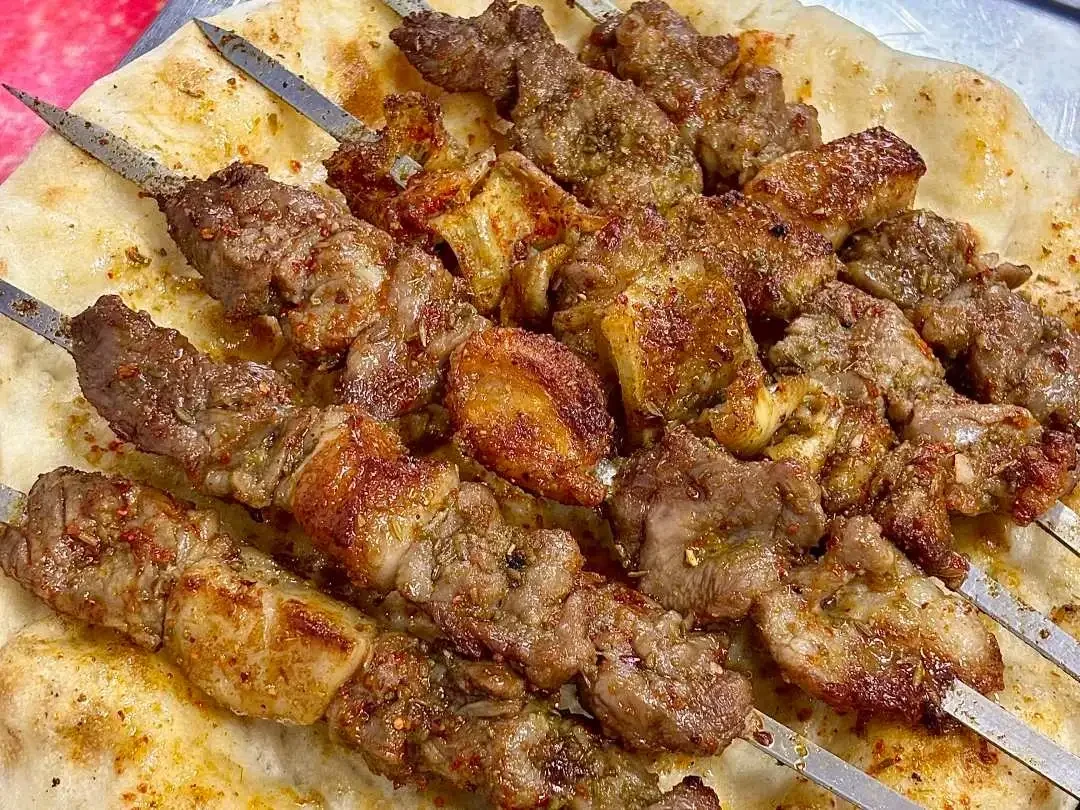
- Pilaf: Widely available at lunch; served with lamb and carrots.
- Samsa: Thin crust, generous filling. Best enjoyed hot.
- Lazixia: Freshly pulled and cooked; choose your preferred toppings and sides.
III. Seasonal Fruit Inventory
7 through 8 is the peak season for melons and grapes; cantaloupes and watermelons are often sold by the kilogram. From 9 to 10, focus shifts to pomegranates, apples, and late-season melons. Prices at markets and roadside stalls can vary significantly—differences of 2 to 5 yuan may occur between vendors on the same day. Confirm the pricing method before purchasing. Whole Hami melons and Jiaxi melons are heavy; check if they need to be cut and portioned before buying by weight.
Grapes ripen in batches from late 7 to late 9. Fresh varieties have thin skins and are easily crushed; use rigid boxes lined with soft paper for short trips. Pomegranates, apples, and jujubes are typically available from 9 to 10, last longer, and are ideal for purchasing before your return trip at stable prices.
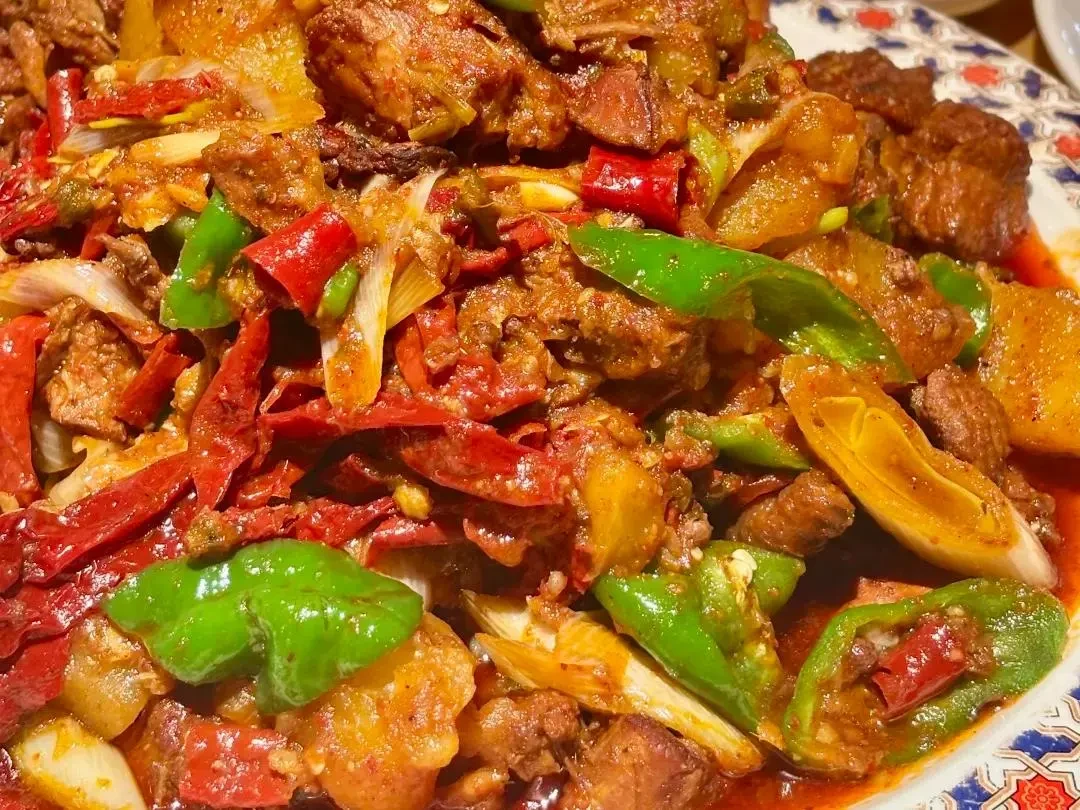
4. Estimated Cost Range
Average daily food costs for regular tourists range from 80 to 180 CNY, with breakfast at 10 to 20 CNY and main meals at 40 to 90 CNY per person. Prices near scenic spots are slightly higher and vary by season; final quotes apply. Fruits are sold by kilogram, typically 3 to 12 CNY per kg—ask before buying.
5. Ordering and Dietary Accommodations
Northern Xinjiang portions are generous; 2 to 3 people sharing meals helps control costs. Beef, lamb, and dairy dishes can be heavy on the stomach—try them gradually if you have a sensitive digestive system, and avoid overindulging in one day. Some Southern Xinjiang dishes are salty or spicy; request less spice when ordering. Carry hot water for long drives to reduce reliance on cold drinks and keep your appetite steady.
Operating hours at Northern Xinjiang restaurants can vary. In smaller towns, kitchens may close around 21. If you arrive late, try your hotel or a nearby night market for dinner. Before ordering, check the menu and portion descriptions to ensure the right amount.
- Start with a main dish, then add 1 servings of meat. Adjust portion sizes based on the number of people.
- Consume dairy and cold items separately, and try small amounts on an empty stomach.
- Bring hot water and dry snacks for long drives to minimize stops for meals.
FAQ
How to order food in Xinjiang without eating lamb
You can choose from noodles, rice soups, pilaf (meat-free or vegetarian options), and vegetable snacks. Most restaurants can customize your order based on preferences. Be sure to mention any dietary restrictions before ordering; the staff will typically suggest suitable alternatives.
Is Xinjiang cuisine too greasy?
While pilaf and grilled meats can be high in fat, pairing them with noodles, yogurt, and fruit helps balance the meal. Including vegetables and fruits in your daily meals will make for a more comfortable overall diet.
Northern and Southern Xinjiang each offer unique culinary strengths. By aligning meals with regional seasons, every dish on your itinerary is more likely to hit the mark. To integrate dining spots with your route stops, considerNorth and South Xinjiang Route SectionFilter by days, or contact Xinjiang International Travel 18999127242.
- SamsaInstructions for filling and oven-baking.
- Food ChannelCommon ways to eat pilaf, grilled meat, and dairy products.
- Southern Xinjiang RouteCulinary culture and market distribution in Kashgar and Hotan regions.

