
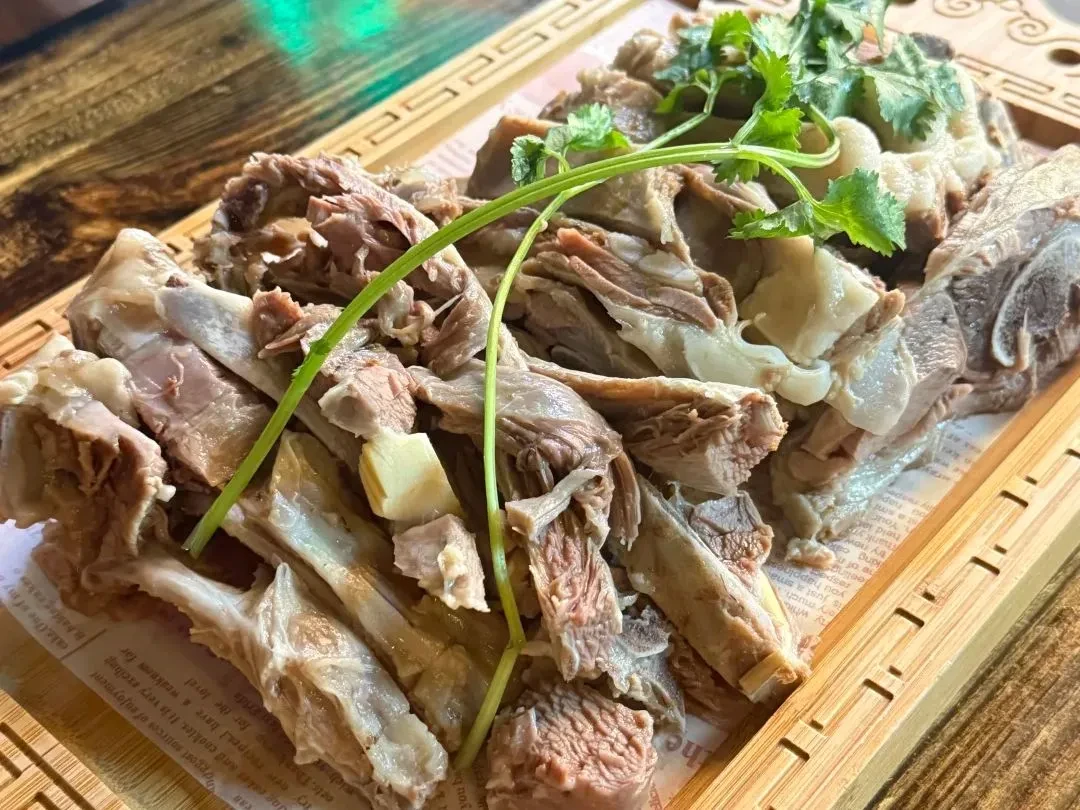
Month 8 is when northern Xinjiang's melons and fruits arrive alongside local flavors. Days are sunny with temperatures often between 25°C and 35°C, cooling down in the evenings. Meals need to be refreshing yet hearty enough for long drives. Itinerary highlights Ili, Altay, and Urumqi areas, where fruits, noodles, and dairy products are abundant. Planning meals by region makes the trip smoother.
1. Climate and Itinerary Pace in Northern Xinjiang for 8
In 8, the northern region of Xinjiang experiences temperature swings of 10 to 15 degrees within a single day. Light meals are best at noon, while hot dishes suit the mornings and evenings. If you're on a 7-to-9-day loop tour, save hearty meals for your arrival night and rely on noodles and fruit for energy during daytime drives. Service areas along the route can be spaced more than 100 km apart, so stock up on durable naan bread and fruit. In 8, daylight hours are long with sunsets often around 21; push dinner later and take an afternoon rest for comfort. If you pass by local markets, pick up seasonal fruit en route—the prices are usually more stable than at scenic spot entrances.
II. Seasonal Fruits: Cantaloupe, Grapes, and Watermelon
8 is peak season for melons. Cantaloupes and watermelons are widely available at markets and roadside stalls, typically sold by the kilogram at prices ranging from 3 to 10 yuan per kg, subject to current confirmed rates. Grapes begin hitting the market in mid-to-late 8, available in both fresh-eating and drying varieties. When buying melons, ask vendors to cut them open on-site for inspection. Since they bruise easily during transport, we recommend purchasing only enough for 1 to 2 days.
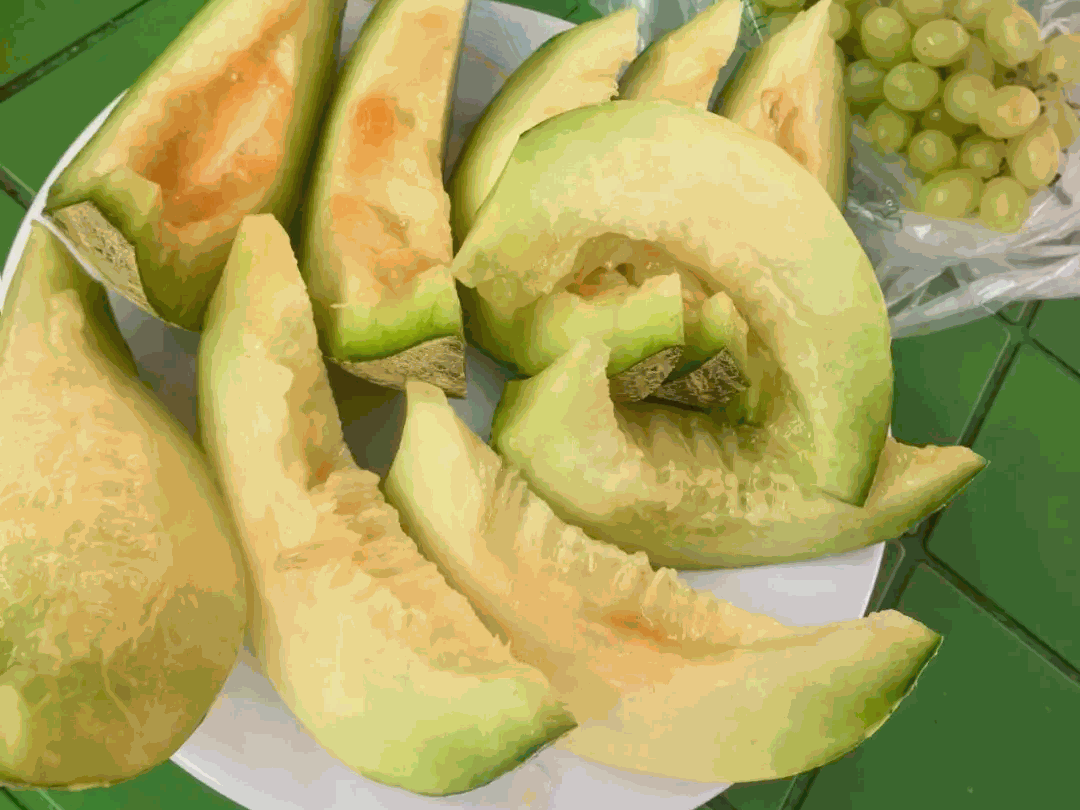
- Watermelon: Sold by the kilogram. Individual melons are quite large; ideal for 2 to 3 people to share.
- Hami melon: Smell the aroma, check the bottom color, and cut open on-site to confirm.
- Grapes: Available from mid to late 8 month. Thin skin, not pressure-resistant; best for short-distance transport.
3. Local Noodles and BBQ
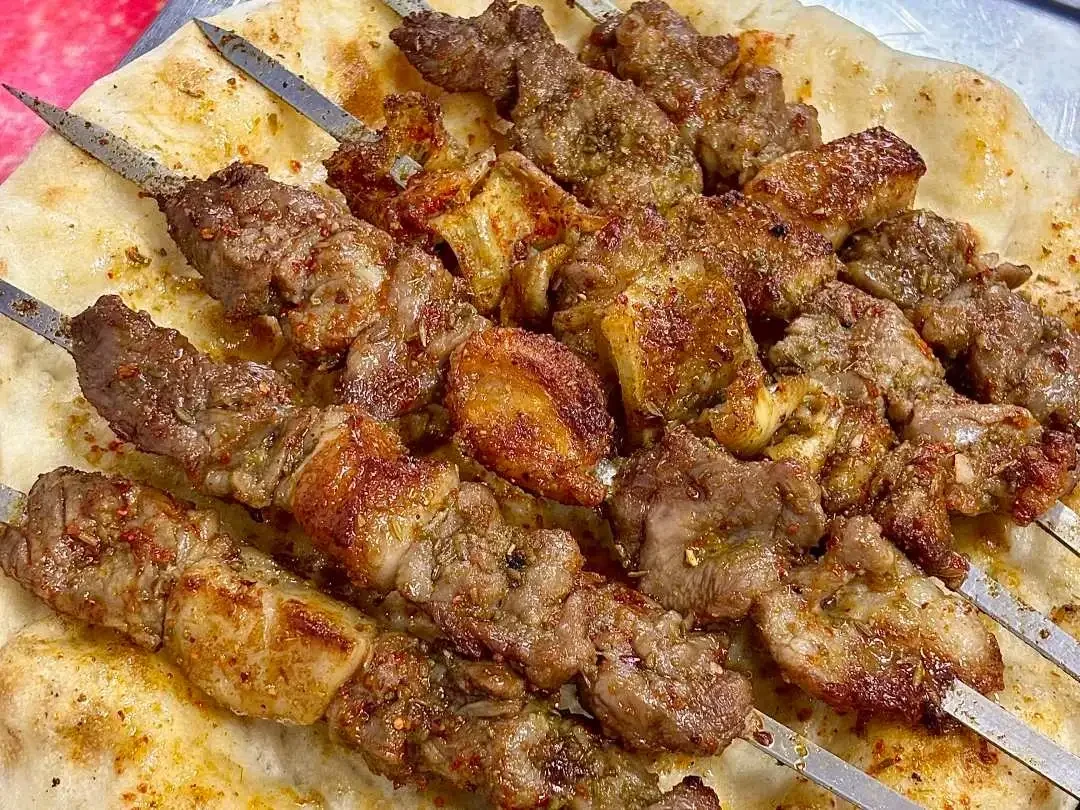
Noodles, fried noodles, and rice soup are reliable choices for the journey, costing around 20 to 40 yuan each. Nighttime in 8 is perfect for outdoor BBQ: lamb skewers typically range from 3 to 8 yuan per piece, while lamb chops are sold by portion—2 to 3 people should order 1 portions. The meat tends to be salty and spicy; pair it with naan bread and yogurt to balance the flavors. Start by ordering 2 to 3 skewers to taste, then add more if you like, to avoid wasting food.
- Instant noodles: $0 to $1 per serving; refills available. Ideal for lunch on the go.
- Lamb skewers: Typically priced at 3 to 8 yuan per skewer. Order by the small handful for more flexibility and better control over spice levels.
- Lamb Chops: Sold per serving. We recommend 1 servings for 2 to 3 people.
4. Dairy Products & Cold Drinks
Yogurt, koumiss, and ice cream are most readily available in 8. A cup of yogurt typically costs between 8 and 15 yuan. Street-side ice cream is sold by the scoop; a serving of 2 to 3 scoops ranges from 10 to 20 yuan. Dairy products are cold; avoid eating them on an empty stomach. Those with sensitive stomachs should consume them at room temperature or in small amounts, ideally after lunch.
V. How to Explore Bazaars and Night Markets
Urumqi and Kashgar bazaars and night markets are liveliest in the evening, with stalls typically open from 19 to 24. Follow the locals' lines when choosing a stall, start with small portions to sample first. For fruits and dried nuts, compare prices at 2 to 3 vendors before buying. Watermelon and melon slices cut fresh on-site can be tasted; buy the whole fruit only if the sweetness meets your preference. Keep cash and mobile payment separate for better security.
VI. Cost & Ordering Tips
What should you keep in mind when eating in Xinjiang during 8?
Temperatures in 8 are high; do not leave meat or dairy products in your car for long periods. Try to consume them on the day you purchase them. Daily dining costs average between 80 and 160 per person, varying by season. Final prices depend on the confirmed quote for your travel period. Menu prices near scenic spots tend to be higher; review them before ordering, or save a full meal for after you return to town.
- Eat early in the city or town for better prices, more options, and to avoid morning crowds at tourist spots.
- Order small portions at the night market to try more dishes and explore local flavors flexibly.
- Carry water with you—drink 1.5 to 2 liters a day. Save money by avoiding overpriced drinks at attractions and stay hydrated during afternoon heat.
- For a hassle-free experience, join a private small group tour with 2 to 6 travelers. Meals are arranged according to the itinerary schedule.
One last reminder before you go
In 8, the northern region experiences significant temperature differences between day and night, so bring a jacket for mornings and evenings. Avoid eating fruits and cold drinks together with barbecue; sampling items separately is more comfortable. To streamline your itinerary and dining spots, you canNorth Xinjiang Route SectionFilter by days, or contact Xinjiang International Travel 18999127242.
- Old Man MelonHow to select and enjoy this melon variety.
- Food Channel: View common methods for pasta, grilled meats, and dairy products.
- Sayram LakeDining and activity tips for the lake area.

